
National Parks vs. Theme Parks: Which Family Vacation Stretches Your Dollar Further
A straightforward look at the real costs, logistics, and experiences of national park trips versus theme park vacations for American families.
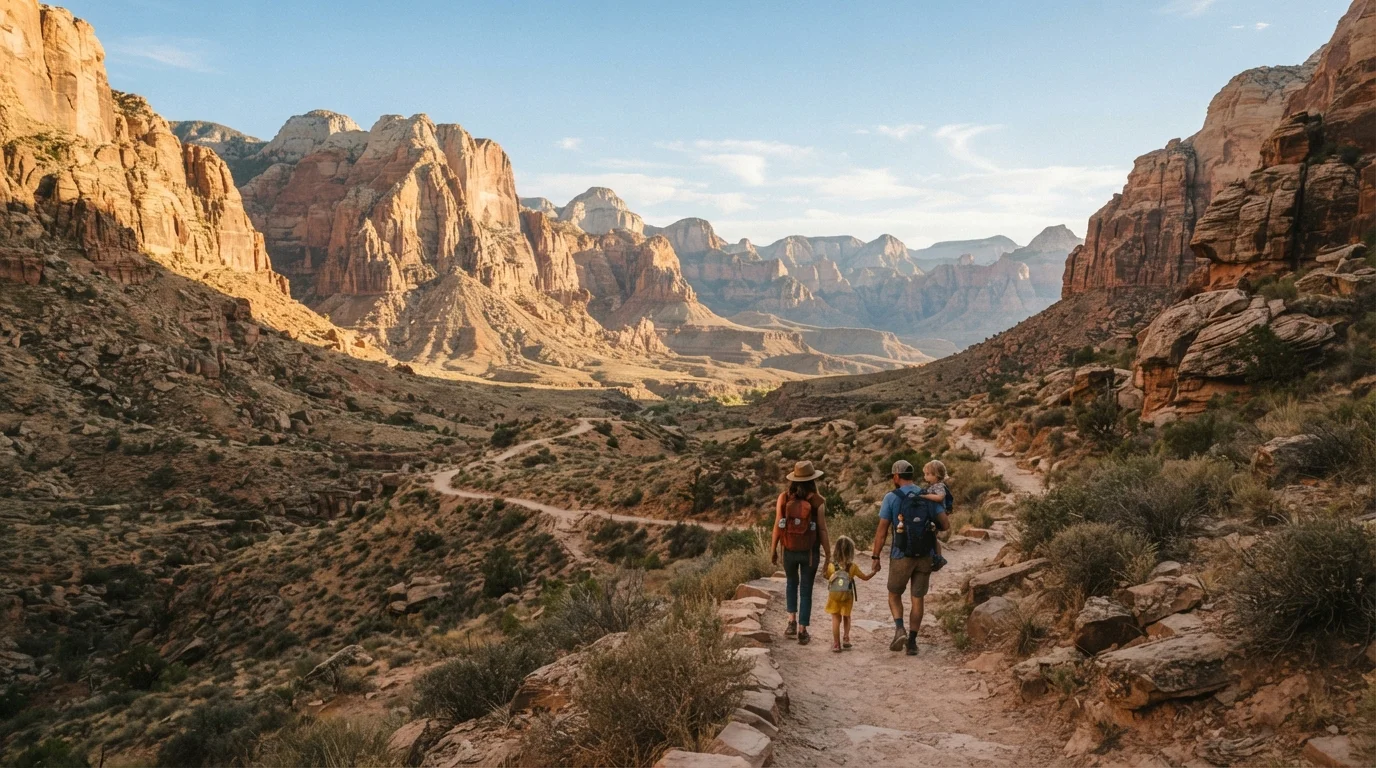
Photo: universalhub.net editorial
—— In This Article
Key Takeaways
- A national park annual pass covers entrance fees at over 2,000 federal sites, making it cost-effective for families who visit more than two parks per year.
- Theme park admission, food, and lodging costs can total $400 to $700 or more per day for a family of four before extras.
- National park trips allow more flexible lodging options, including camping, which substantially lowers the overall trip budget.
- Theme parks offer predictable, weather-resilient entertainment but leave little room for spontaneous budget adjustments.
- Both vacation types carry hidden costs: gear and gas for national parks, parking and upcharges for theme parks.
What you actually pay at the gate
The America the Beautiful annual pass costs $80 and covers entrance fees at national parks and other federal recreation sites for a full year. A family driving to the Grand Canyon, Zion, and Bryce Canyon on a single road trip can recover that cost on the first stop. Day passes at popular parks typically run $20 to $35 per vehicle, so a family of four making two or three park visits without the annual pass will spend roughly the same amount and get far less flexibility.
Theme park admission follows a completely different pricing structure. General admission at major parks frequently runs $100 to $130 per person per day at standard gate prices, which means a family of four is looking at $400 to $520 before a single meal, snack, or parking fee. Multi-day tickets lower the per-day cost, but they lock families into staying longer, which pushes lodging and food costs higher. Common ticket-buying assumptions can quietly inflate that total further if families don't research pricing windows in advance.
| Criterion | National Parks | Theme Parks |
|---|---|---|
| Entrance cost (family of 4) | $20-$35/vehicle or $80 annual pass | $400-$520/day at standard rates |
| Lodging range per night | $15-$250 (camping to lodge) | $120-$400+ (off-site to on-site) |
| Daily food spending | $30-$60 with self-catering | $80-$150 inside the park |
| Trip pace | Fully self-directed | Structured around park schedule |
| Weather dependence | High for outdoor activities | Low to moderate with indoor options |
| Best age range | All ages, especially 6 and up | Ages 4-12 tend to get most value |
| Educational value | High through ranger programs | Low to moderate |
Food, lodging, and the costs families forget
Campsite fees at national parks range from roughly $15 to $30 per night, and many parks have free dispersed camping on adjacent public lands. Families who car-camp and cook their own meals can keep lodging and food under $60 a day total. Those who prefer cabins or lodges inside park boundaries will pay more, often $150 to $250 per night, which is comparable to a mid-range hotel. The choice between lodging styles matters here: a vacation rental near a park entrance can split the difference nicely for families who want a full kitchen without tent camping.
At theme parks, on-site hotel rooms carry a significant premium over off-site options, but staying off-site usually means factoring in shuttle logistics or daily parking fees that run $30 to $50. Food inside most large theme parks is priced for captive audiences, and a family of four spending a full day can easily drop $80 to $150 on meals and snacks alone. Free and low-cost alternatives are limited inside the gates, though the surrounding destination sometimes offers better options for families willing to leave the park for a meal.
Experience quality and who gets the most out of each
National parks work well for families with a wide age range because different members can choose different activity levels. A grandparent can sit at a scenic overlook while older kids hike a moderate trail and younger children chase lizards near the trailhead. The pace is self-directed, which reduces friction when family members have conflicting energy levels. Junior Ranger programs at most parks are free and genuinely engaging for children aged 4 through 12, covering geology, ecology, and history through hands-on activities.
Theme parks are tuned for a specific kind of fun, and they deliver it reliably. Young children who are deeply attached to a particular franchise or character will find that experience hard to replicate anywhere else. The tradeoff is that the entire day is shaped by queue management, crowd density, and the park's operational schedule. Families who dislike structured itineraries or find crowded spaces exhausting may end the day feeling drained rather than refreshed. Weather is less of a factor at parks with significant indoor capacity, which gives them a practical edge in summer heat or unpredictable spring conditions.
420M+
Annual national park visits in the US
The National Park Service reported over 420 million recreational visits in recent years, reflecting sustained interest across demographic groups.
$80
Cost of America the Beautiful annual pass
The pass covers entrance fees at over 2,000 federal recreation sites, including all national parks, for 12 months from the purchase date.
58%
Families citing cost as top vacation barrier
A 2023 American Express Travel survey found cost to be the leading obstacle families face when planning leisure trips.
Planning principles that apply to both
Both vacation types reward early planning. Campsites at popular national parks like Yosemite and Rocky Mountain release reservations months in advance and fill quickly. Theme park visits during school holidays mean longer wait times and higher crowd levels that can significantly reduce the number of attractions a family reaches in a day. Traveling in shoulder season, which for most parks and parks is late spring or early fall, lowers both costs and congestion.
Families who treat either type of trip as an all-or-nothing experience tend to overspend. A three-night camping trip to a national park paired with a day at a nearby low-cost attraction can deliver comparable variety to a longer, pricier theme park stay. For families weighing a more complex itinerary, the principles behind multi-destination planning can help avoid the common mistake of underestimating per-day costs when combining two different trip types.

Travel Editorial Team
Travel Editorial Team is the collective byline for our editorial team and contributor network. Articles published under this byline or an editorial pen name are researched, written, and reviewed according to our editorial standards for clarity, consistency, and independence before publication.
View author profile