Public Libraries Are More Than Books: The Hidden Educational Benefits
Public libraries offer free tutoring, digital courses, maker spaces, and more. Here is what most families are missing out on.
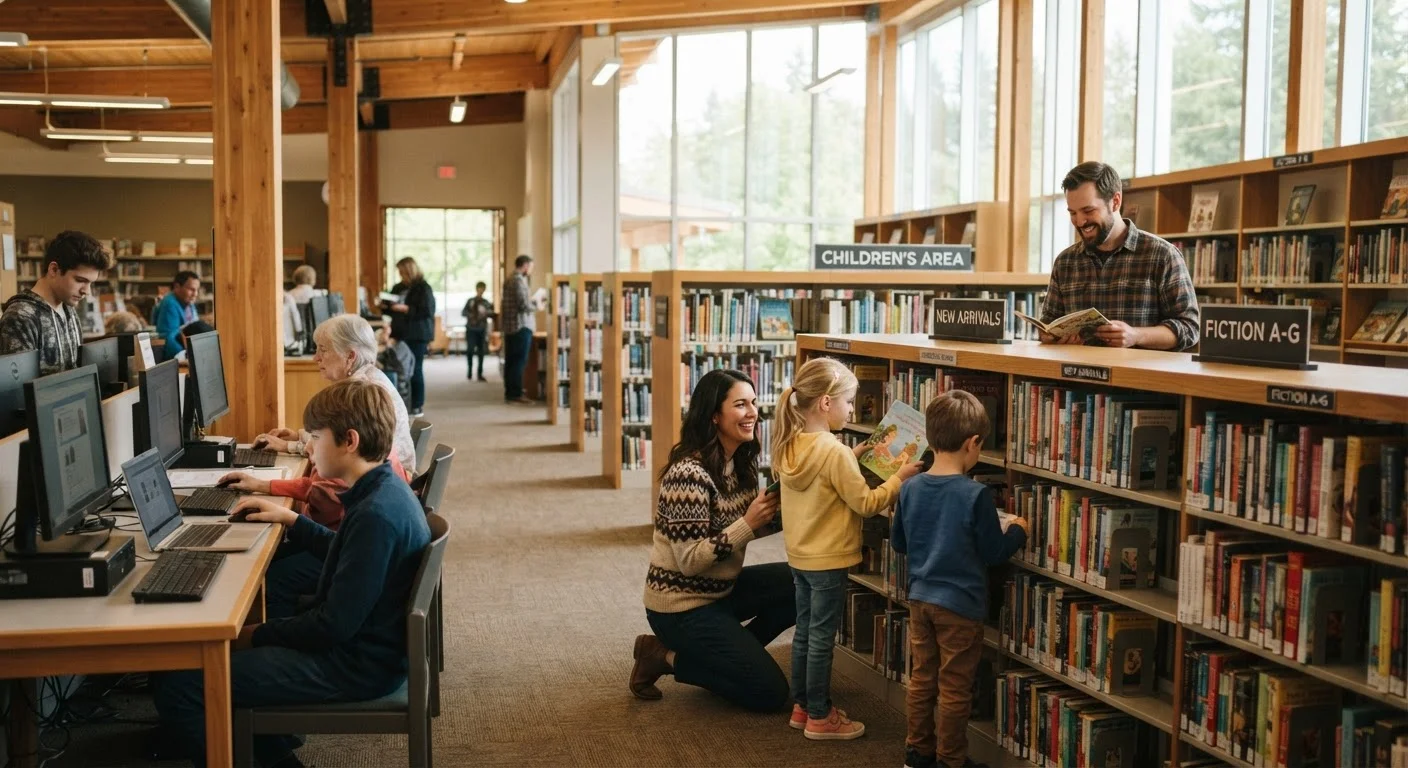
Photo: universalhub.net editorial
—— In This Article
Key Takeaways
- A standard library card unlocks digital course platforms, e-books, and streaming databases at no cost.
- Many libraries offer free tutoring, homework help, and STEM programs for school-age children.
- Maker spaces with 3D printers, recording equipment, and tools are available at libraries in most mid-size and large cities.
- Adult learners can access GED prep, job search assistance, and professional skills training through the library.
- Summer reading programs at public libraries are a documented way to reduce learning loss between school years.
What most families overlook at the library
When families think of the public library, books and maybe a story hour come to mind. The full picture is broader. Most American public libraries now function as community learning centers, offering services that would cost hundreds of dollars per year if purchased privately.
The American Library Association reports that more than 17,000 public library outlets operate across the United States. A large share of them provide internet access, digital databases, tutoring referrals, and educational programming alongside their physical collections. Families with a library card already hold the key to a substantial portion of these resources.
See the full range of free educational tools available to U.S. families for context on where libraries fit within the broader landscape of no-cost learning.
Start with a librarian, not a catalog search
Reference librarians are trained to match patrons with resources. If you are unsure what programs or digital tools your library system offers, ask at the information desk or send a message through the library's website. A five-minute conversation can surface programs and databases that are easy to miss when browsing online.
Digital resources that replace paid subscriptions
One of the most underused library benefits is digital access. With a library card number, most cardholders can log in to platforms that libraries license on their behalf. Common offerings include:
- E-book and audiobook apps (such as Libby, which connects to OverDrive) with titles across every reading level
- Streaming film libraries through platforms like Kanopy, which carry educational documentaries and classic cinema
- Professional development courses through LinkedIn Learning, available through hundreds of library systems
- Academic databases covering peer-reviewed journals, newspaper archives, and reference materials
For families building a home curriculum, these tools go a long way. The guide to assembling a low-cost homeschool curriculum covers how library digital collections can anchor a rigorous program without tuition fees.
Programs for children and teens
Children's programming at public libraries extends well past story time. Many branches run structured learning programs tied to school curricula, particularly in reading and math. Common offerings for school-age children and teens include:
- Homework help desks staffed by trained volunteers or library staff during after-school hours
- Summer reading challenges, which research from the National Summer Learning Association links to reduced academic loss between school years
- STEM workshops covering robotics, coding, and science experiments, often in partnership with local universities or nonprofits
- Teen advisory boards and leadership programs that build organizational and communication skills
Families worried about summer slide will find practical strategies in the low-cost guide to preventing summer learning loss, much of which centers on library-based activities.
Maker spaces and technology access
A growing number of public libraries have converted underused floor space into maker spaces. These areas hold equipment that most households and many schools cannot afford independently. A typical setup might include a 3D printer, a vinyl cutter, a podcast recording booth, sewing machines, and soldering stations.
Access is free for cardholders, and librarians or trained volunteers are often present to help patrons learn the equipment. For children curious about design, fabrication, or audio production, a maker space session is a genuine hands-on learning opportunity that costs nothing beyond the library card.
17,000+
Public library outlets in the U.S.
The American Library Association reports more than 17,000 public library outlets operate across the United States.
92%
Libraries offering public internet access
According to the ALA's State of America's Libraries reports, the vast majority of public libraries provide free public internet access to their communities.
$0
Cost of a library card for local residents
Public library cards are free to residents of the library's service area, providing access to all physical and most digital collections.
Libraries without dedicated maker spaces still commonly provide public computers, free Wi-Fi, and printing. For families without reliable home internet, this access supports homework completion, job applications, and online course participation.
Adult learning and workforce development
Libraries are not only for children. Adult programs address some of the most practical education needs American families face.
Many library systems offer GED preparation classes, either in-person or through digital platforms they license. English as a Second Language instruction, often provided through partnerships with local community organizations, runs at branches in cities and suburbs alike. Job search workshops cover resume writing, interview preparation, and how to navigate online employment platforms.
Some libraries maintain partnerships with community colleges, allowing branches to serve as testing sites for placement exams or to host information sessions about enrollment. For a family weighing continuing education options, the library is a logical first stop before committing to tuition.
Libraries also stock professional certification study materials across fields such as nursing, accounting, and IT, available as physical books or through digital databases. Adults pursuing credentialing outside of a formal degree program can save significantly by drawing on these collections rather than purchasing materials outright.
Frequently Asked Questions

Education Editorial Team
Education Editorial Team is the collective byline for our editorial team and contributor network. Articles published under this byline or an editorial pen name are researched, written, and reviewed according to our editorial standards for clarity, consistency, and independence before publication.
View author profile