
Summer Learning Loss Is Real: Low-Cost Ways to Keep Skills Sharp
Research shows children can lose academic ground over summer. Discover affordable, practical activities that maintain reading and math skills without a tutor.
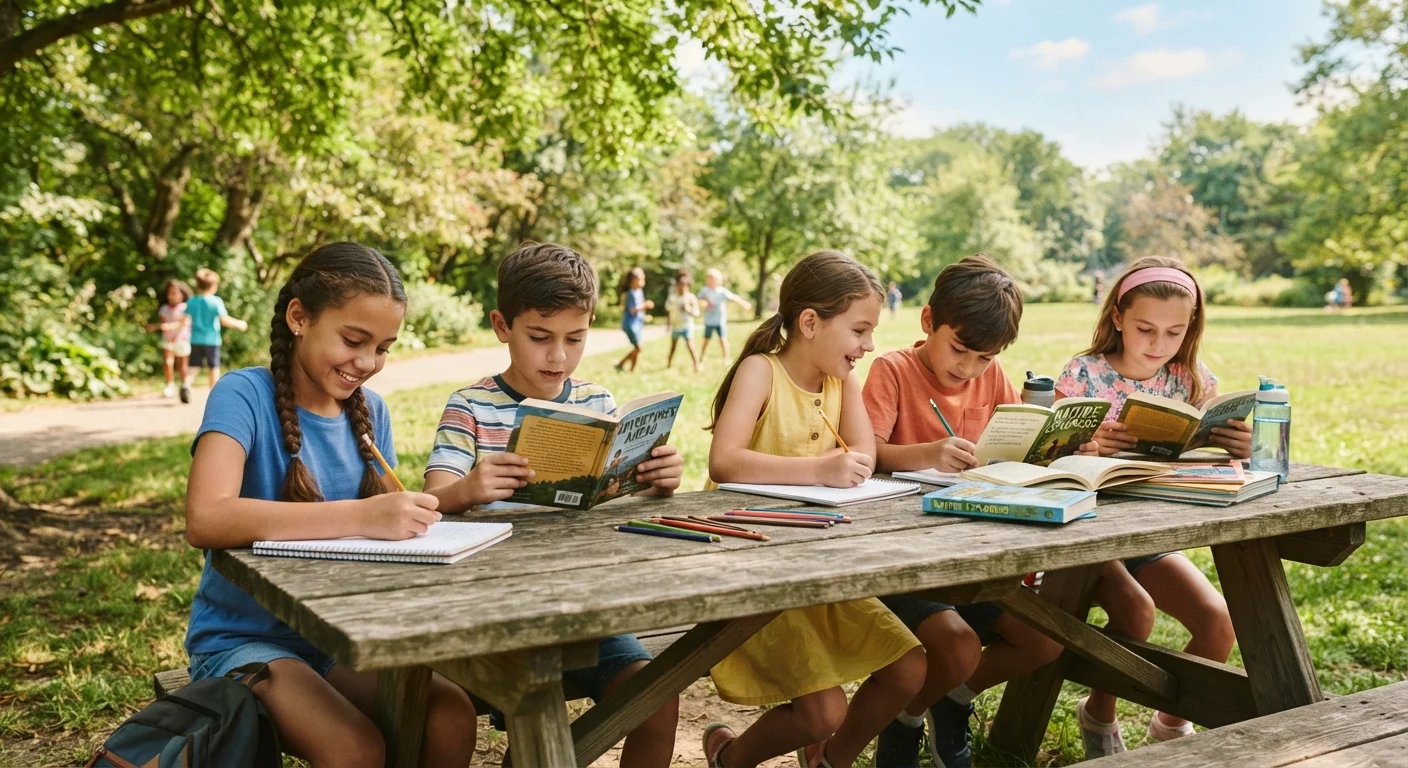
Photo: universalhub.net editorial
—— In This Article
Key Takeaways
- Children can lose two or more months of math skills and reading fluency over summer break.
- Free and low-cost resources from public libraries, government sites, and nonprofits can fill the gap.
- Short daily practice of 20 to 30 minutes is more effective than sporadic longer sessions.
- Everyday activities like cooking, budgeting, and reading signs naturally reinforce academic skills.
- Structured summer reading programs at public libraries are free and widely available.
What the research actually says about summer learning loss
Summer learning loss, sometimes called the "summer slide," refers to the academic regression that many children experience when school is not in session. Research published by the RAND Corporation found that students can lose, on average, one to three months of learning over summer break, with math skills typically declining more steeply than reading. Children from lower-income households often experience greater losses because access to enrichment activities is more limited.
The cumulative effect matters: repeated summer losses across multiple grade levels can add up to a significant achievement gap by middle school. This is not a reason for alarm, but it does argue for some intentional, low-stakes learning during the break. The goal is maintenance, not acceleration.
2 months
Average math skill loss over summer
RAND Corporation research found students lose roughly one to three months of learning, with math declining faster than reading.
43%
of low-income students lose reading skills each summer
According to research cited by the National Summer Learning Association, income-based access gaps make summer loss more pronounced for lower-income children.
Build a light daily routine instead of a full schedule
Consistency matters more than duration. A 20-to-30-minute daily reading or math session holds skills in place far better than a three-hour weekend study block. Pick a predictable time, such as after breakfast or before screen time, so the habit is automatic rather than negotiated each day.
For reading, let children choose their own books. Self-selected reading produces stronger engagement and comprehension than assigned texts. Public libraries run free summer reading programs that provide structure and small rewards without cost. For a detailed look at what your local library likely offers beyond books, see the hidden educational benefits of public libraries.
For math, card games, board games, and grocery store math (estimating totals, calculating change) keep arithmetic sharp without worksheets. Children in grades 3 through 8 can also use free platforms like Khan Academy, which provides grade-aligned practice with no subscription fee.
Low-cost and free resources worth using
Several well-established, free resources are designed specifically for summer skill maintenance:
- Khan Academy: Free, curriculum-aligned math and reading exercises for all K-12 grade levels, accessible via browser or app.
- PBS LearningMedia: Free videos and interactives tied to grade-level standards, organized by subject and age group.
- Library digital lending: Many public library cards grant access to Libby or Hoopla, which provide free e-books, audiobooks, and educational videos.
- Summer reading programs: Most public library systems run annual programs with reading logs and incentives at no cost to families.
- ReadWorks: A free platform offering nonfiction and fiction passages with comprehension questions, suited for grades K through 12.
For a broader survey of government-funded and nonprofit learning tools, free learning resources every American family should know about covers options organized by grade and subject.
When a child is already behind in reading
Summer is a natural window to address a reading gap before a new school year begins. If a child struggled with reading during the school year, the first step is identifying whether the difficulty is with decoding (sounding out words) or comprehension (understanding meaning). These require different approaches.
For decoding difficulties, short phonics practice using free programs like those found on ReadWorks or through library programs can help. For comprehension, reading aloud together and discussing the text builds vocabulary and inference skills. why kids struggle to read despite classroom instruction explains the common causes parents can watch for at home.
If the gap appears significant, consult with the child's teacher before the school year ends to get specific targets. A licensed reading specialist can provide a formal assessment; school districts sometimes offer this at no cost, and many public libraries have reading support programs staffed by trained volunteers.
This article is for general educational information only. For concerns about a child's learning development, consult a qualified educator or educational psychologist.

Education Editorial Team
Education Editorial Team is the collective byline for our editorial team and contributor network. Articles published under this byline or an editorial pen name are researched, written, and reviewed according to our editorial standards for clarity, consistency, and independence before publication.
View author profile