Free and Low-Cost Preventive Health Resources Available in Most Communities
From federally qualified health centers to community screenings, explore accessible wellness resources that many American families overlook.
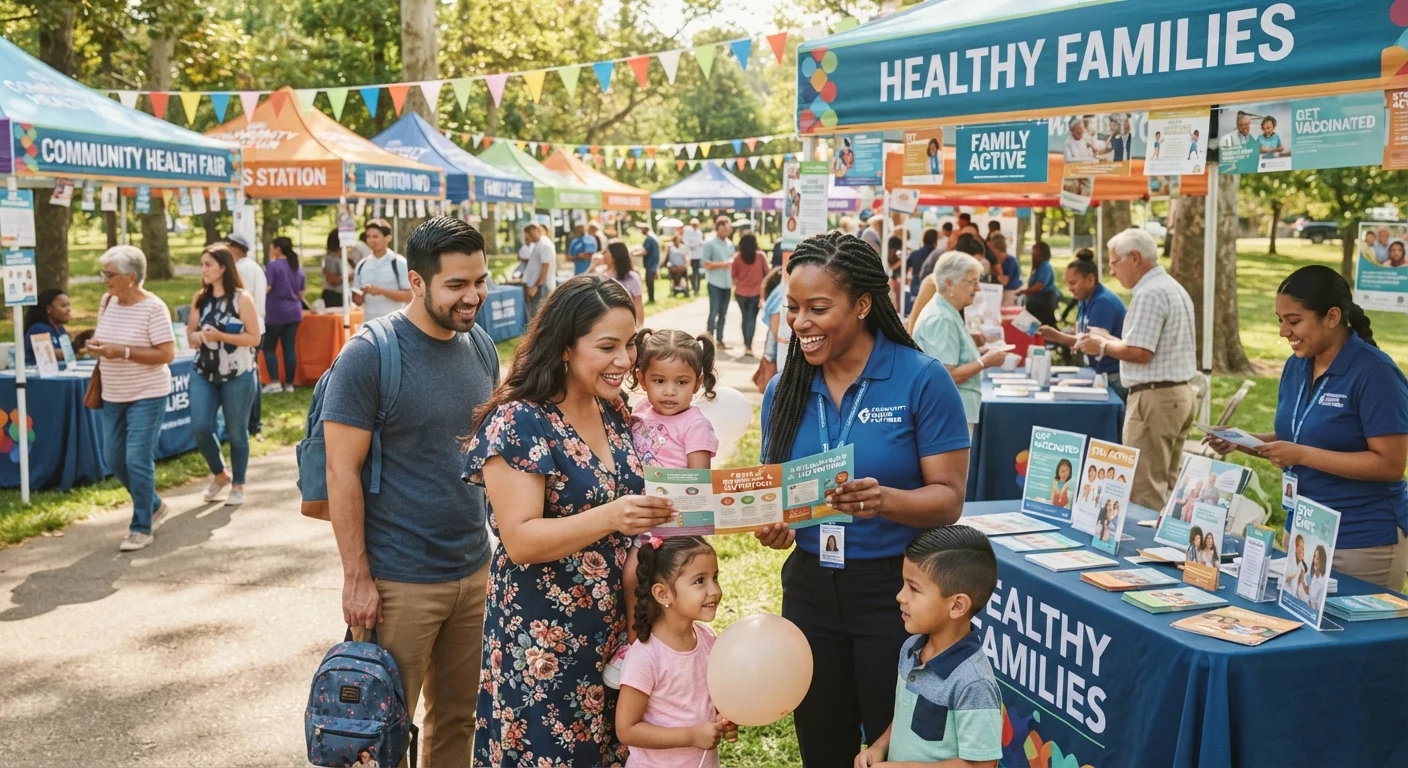
Photo: universalhub.net editorial
—— In This Article
Key Takeaways
- Federally Qualified Health Centers offer sliding-scale fees based on income, regardless of insurance status.
- State and county health departments provide free or low-cost immunizations and screenings to residents.
- Many retail pharmacy chains and nonprofit hospitals run community health events with no-cost basic screenings.
- Telehealth programs through Medicaid and CHIP can reduce out-of-pocket costs for eligible families.
- Public libraries and community centers increasingly connect residents to free health education and wellness programs.
Why preventive care access matters for family budgets
Preventive care catches problems early, when they are less expensive to treat. Yet cost and awareness remain the two biggest barriers for American families. A 2022 survey by the Kaiser Family Foundation found that roughly four in ten adults skipped or delayed medical care because of cost concerns. The good news is that a network of publicly funded and nonprofit resources exists in nearly every U.S. community, and most families never use them.
This article describes concrete, accessible resources. It is general health information, not medical advice. For guidance on what services your family specifically needs, consult a qualified healthcare provider.
For context on which preventive services your insurance may already cover at no cost, see our overview of ACA preventive care coverage.
Federally Qualified Health Centers (FQHCs)
FQHCs receive federal funding under the Health Center Program, administered by HRSA, and are required by law to serve all patients regardless of their ability to pay. Fees are set on a sliding scale tied to household income and family size, so a family with limited income may pay very little or nothing per visit.
FQHCs provide primary care, dental care, mental health services, and prescription assistance. There are more than 1,400 FQHC grantees operating roughly 14,000 service delivery sites across the country, including rural areas and urban neighborhoods with limited provider access. The HRSA health center finder at findahealthcenter.hrsa.gov lets you search by zip code.
FQHCs are required by law to serve patients regardless of ability to pay.
State and county health departments
Local health departments offer immunizations, blood pressure checks, tuberculosis testing, and sexually transmitted infection screenings at reduced or no cost to residents. Many run Women, Infants, and Children (WIC) nutrition programs and provide referrals to additional services.
Schedules and available services vary by jurisdiction. Your county health department's website or a direct phone call will give the most accurate picture of current offerings. Some departments also operate mobile clinics that visit schools, faith communities, and low-income neighborhoods on a rotating schedule.
County health departments often run mobile clinics that bring screenings directly to neighborhoods.
Nonprofit hospital community benefit programs
Nonprofit hospitals in the United States are required by IRS rules to provide community benefit activities as a condition of their tax-exempt status. This often includes free health screenings, chronic disease management classes, and financial assistance programs (sometimes called charity care) for patients who cannot afford their bills.
These programs are not always prominently advertised. Contacting the patient financial services or community health department of a local nonprofit hospital directly is the most reliable way to find out what assistance is available and whether your family qualifies. Income thresholds and covered services differ by institution.
IRS rules require nonprofit hospitals to provide community benefit programs, including free screenings.
Medicaid, CHIP, and related public coverage
Medicaid and the Children's Health Insurance Program (CHIP) together cover more than 90 million Americans, according to Centers for Medicare and Medicaid Services (CMS) data. Both programs cover preventive services at little or no cost-sharing for eligible enrollees, including well-child visits, developmental screenings, dental care for children, and vaccinations.
Eligibility rules vary by state and change periodically. The official Medicaid.gov website and your state's health and human services agency are the authoritative sources for current income thresholds and enrollment periods. Families who are unsure about eligibility can apply and receive a determination without obligation.
Medicaid and CHIP cover preventive services for eligible enrollees at little or no cost-sharing.
Community health fairs and pharmacy screenings
Many communities hold annual or seasonal health fairs organized by hospitals, faith organizations, employers, or local governments. These events often provide free blood pressure checks, blood glucose screenings, vision tests, and health education materials.
Some retail pharmacy chains also offer no-cost or low-cost screenings on a walk-in basis, including blood pressure monitoring stations and periodic lipid panels. Availability and accuracy can vary, so any concerning result should be followed up with a primary care provider rather than treated as a clinical diagnosis on its own.
Health fair results that raise concern should always be followed up with a primary care provider.
Public libraries and community center health programs
Public libraries have expanded well beyond books. Many branches now partner with local health departments or nonprofit organizations to host health literacy workshops, mental health first aid training, and even on-site screenings. Some libraries distribute free naloxone kits and provide safe medication disposal information.
Community and recreation centers often run low-cost fitness classes, nutrition education sessions, and chronic disease self-management programs adapted from evidence-based curricula developed by organizations like the Stanford Patient Education Research Center. Public libraries offer far more than most families realize, and the same is true for their health-related offerings.
Libraries and community centers host health programs that most families do not know exist.
Making the most of what your community offers
Awareness is the first step. Many of these programs are underutilized simply because they are not widely advertised. Calling your county health department directly, searching the Health Resources and Services Administration (HRSA) database online, or asking a school nurse or social worker for referrals can surface options that a standard web search misses.
Cost and access to health resources often connect to broader household financial planning. The Finance hub has information on managing healthcare costs alongside other family budget priorities. If your family is also exploring ways to build consistent wellness habits without high spending, our guide to building a low-cost family wellness routine covers evidence-informed practices that complement the resources listed here.
How to find local resources quickly
Dialing 211 connects callers to a free, confidential social services helpline operated in most U.S. states. Trained specialists can provide referrals to local health clinics, food assistance, and utility programs based on your location and situation. The 211.org website offers a searchable directory if you prefer not to call.
This article is for general informational purposes only and does not constitute medical advice. Consult a licensed healthcare professional for guidance specific to your situation or health needs.

Health Editorial Team
Health Editorial Team is the collective byline for our editorial team and contributor network. Articles published under this byline or an editorial pen name are researched, written, and reviewed according to our editorial standards for clarity, consistency, and independence before publication.
View author profile