

Health Editorial Team
Health Editorial Team is the collective byline for our editorial team and contributor network. Articles published under this byline or an editorial pen name are researched, written, and reviewed according to our editorial standards for clarity, consistency, and independence before publication.

Building a Low-Cost Family Wellness Routine
Consistent wellness habits do not have to be expensive. Explore evidence-informed practices that support physical and mental health on a modest budget.
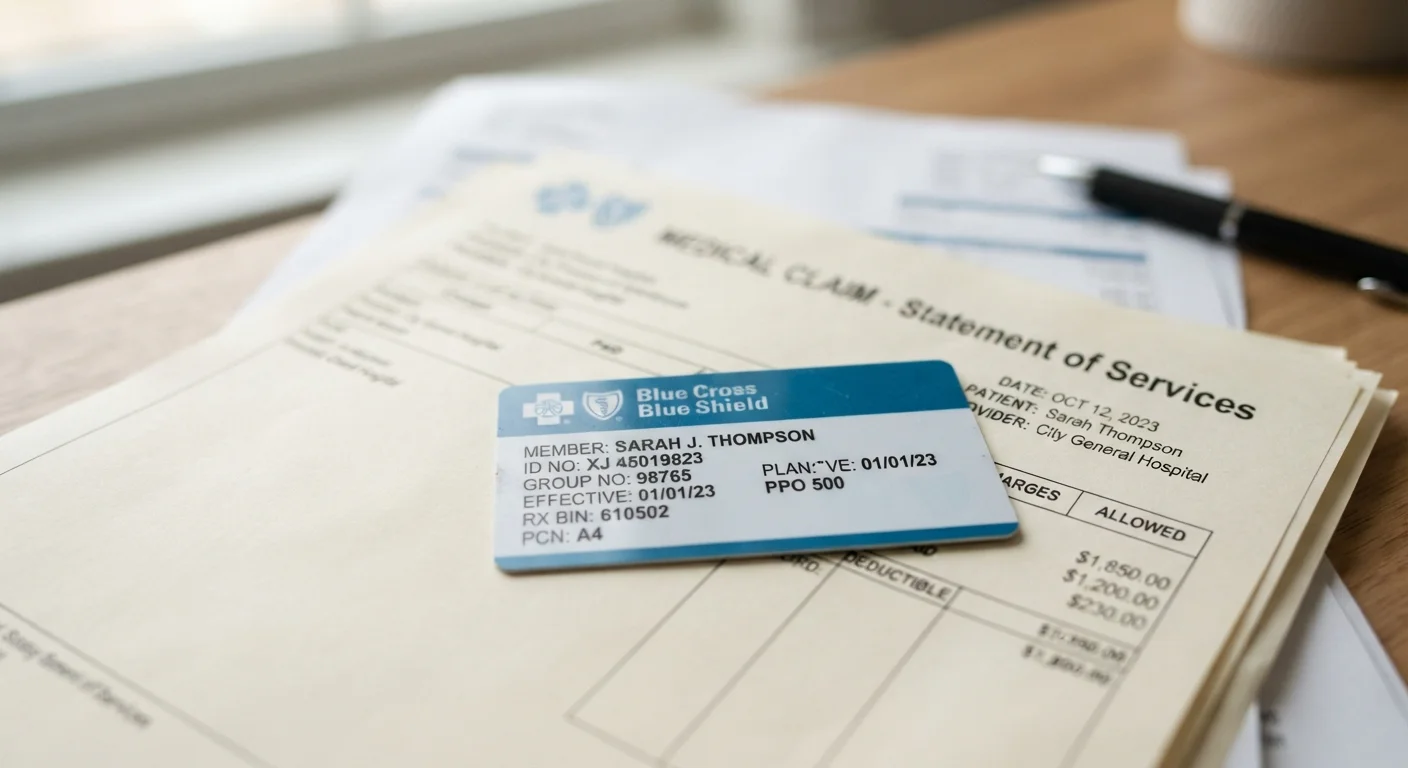
Common Myths About Health Insurance Deductibles
Misunderstanding deductibles can lead to costly surprises. Separate fact from fiction on how deductibles, copays, and out-of-pocket maximums interact.
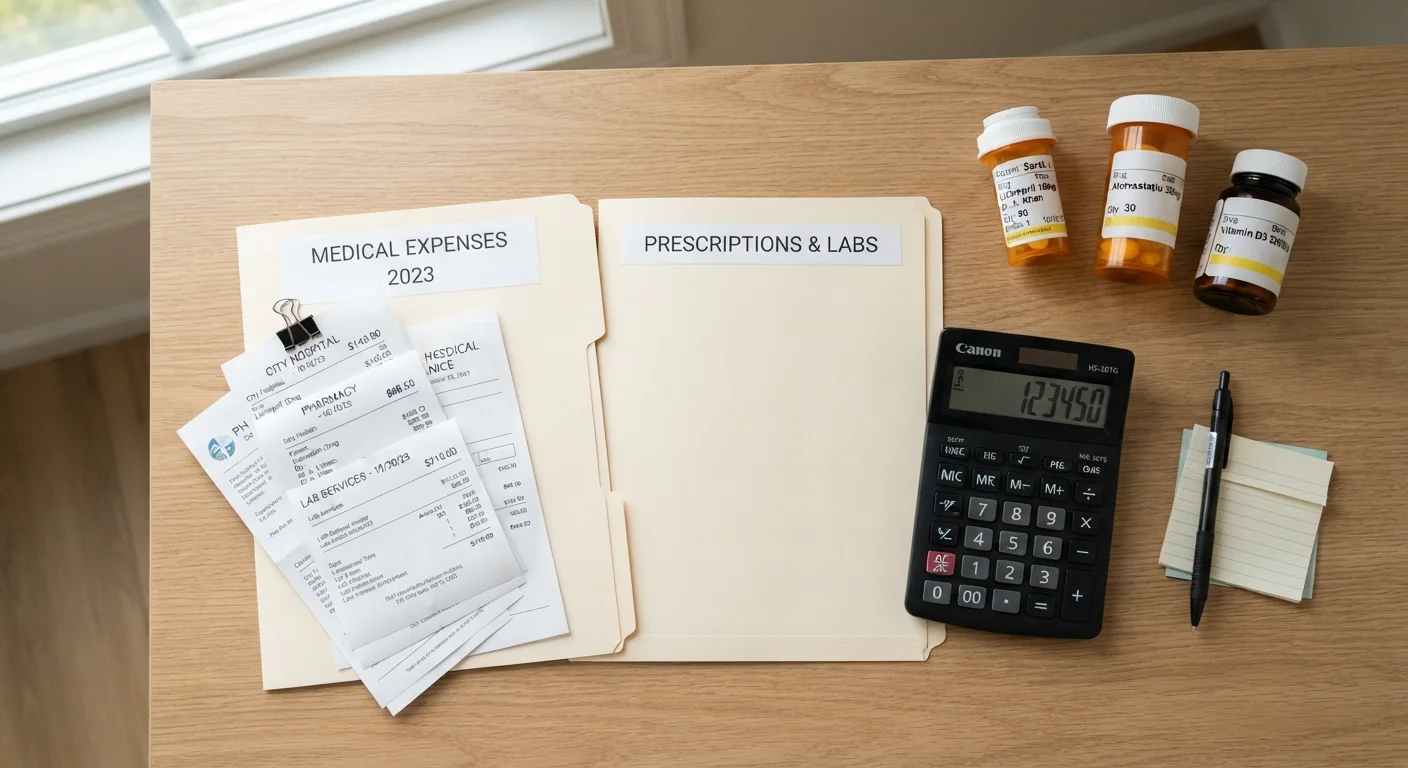
Flexible Spending Accounts vs. Health Savings Accounts
FSAs and HSAs both offer tax advantages for medical costs, but they work differently. Compare eligibility rules, rollover policies, and best use cases.

Free and Low-Cost Preventive Health Resources Available in Most Communities
From federally qualified health centers to community screenings, explore accessible wellness resources that many American families overlook.
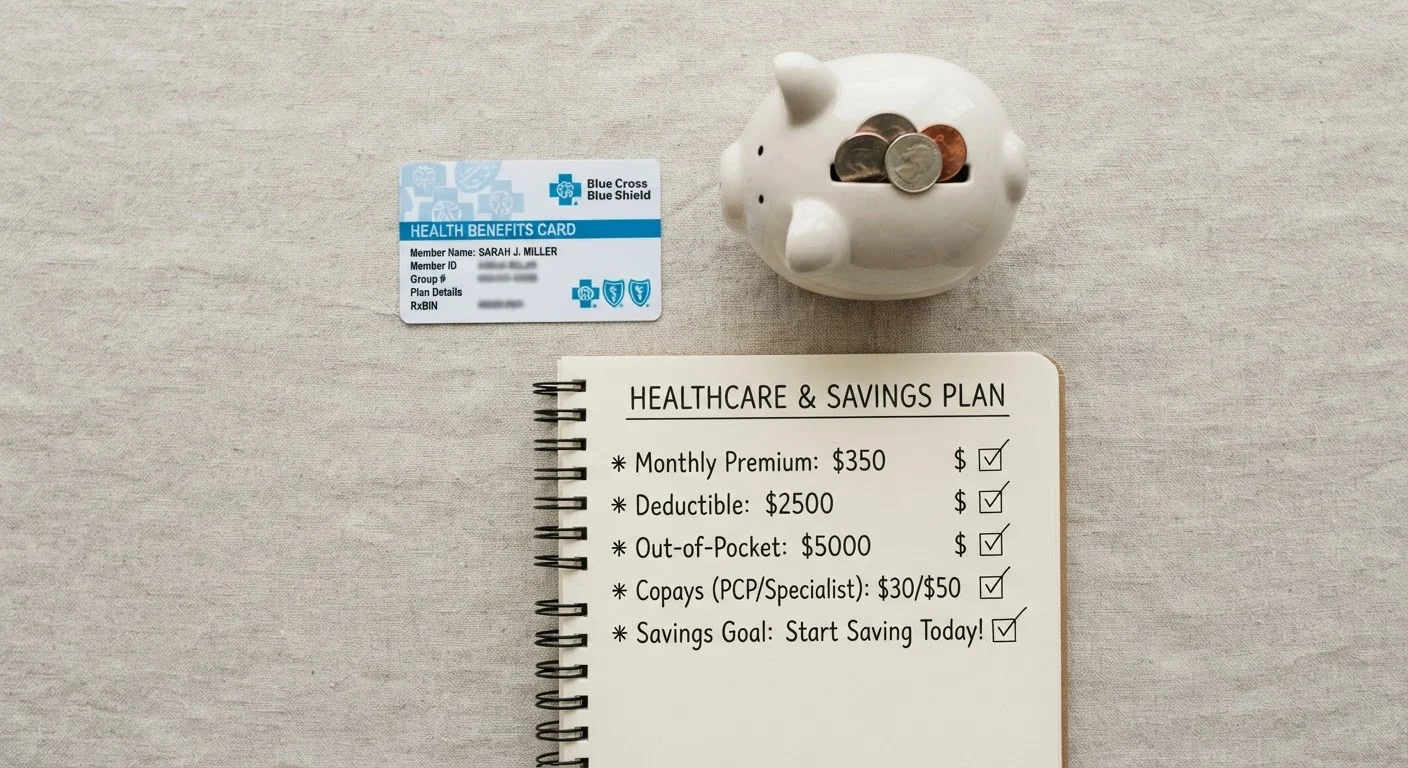
How Health Savings Accounts Work and Who Can Open One
Discover how HSAs function, who qualifies, contribution limits, and how these tax-advantaged accounts can offset out-of-pocket medical expenses.
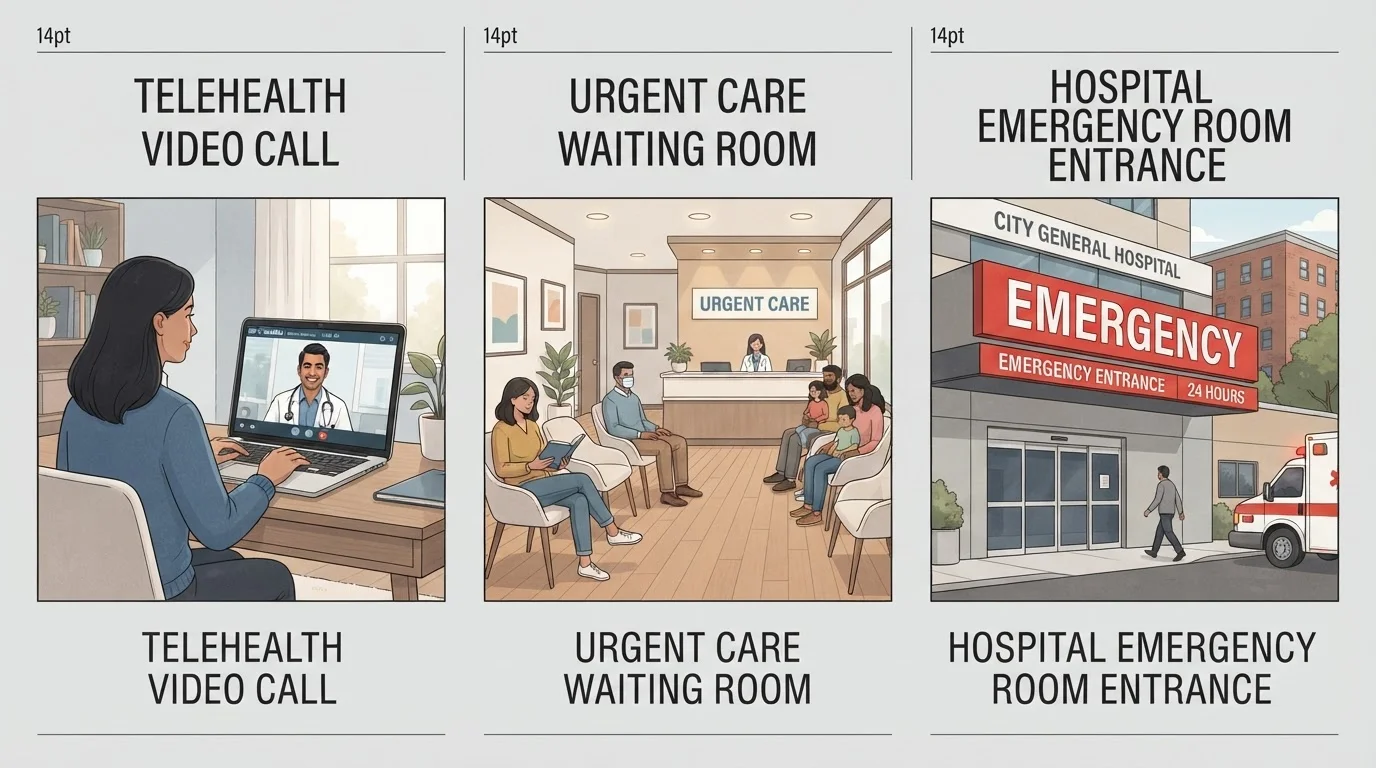
Navigating Urgent Care, Emergency Rooms, and Telehealth: Which to Use When
A practical breakdown of urgent care centers, hospital ERs, and telehealth visits to help families choose the right care setting and avoid surprise bills.

Negotiating Medical Bills: What Hospitals and Providers Are Often Willing to Do
Many medical bills are negotiable. Learn which strategies patients commonly use to request itemized statements, charity care, and payment plans.
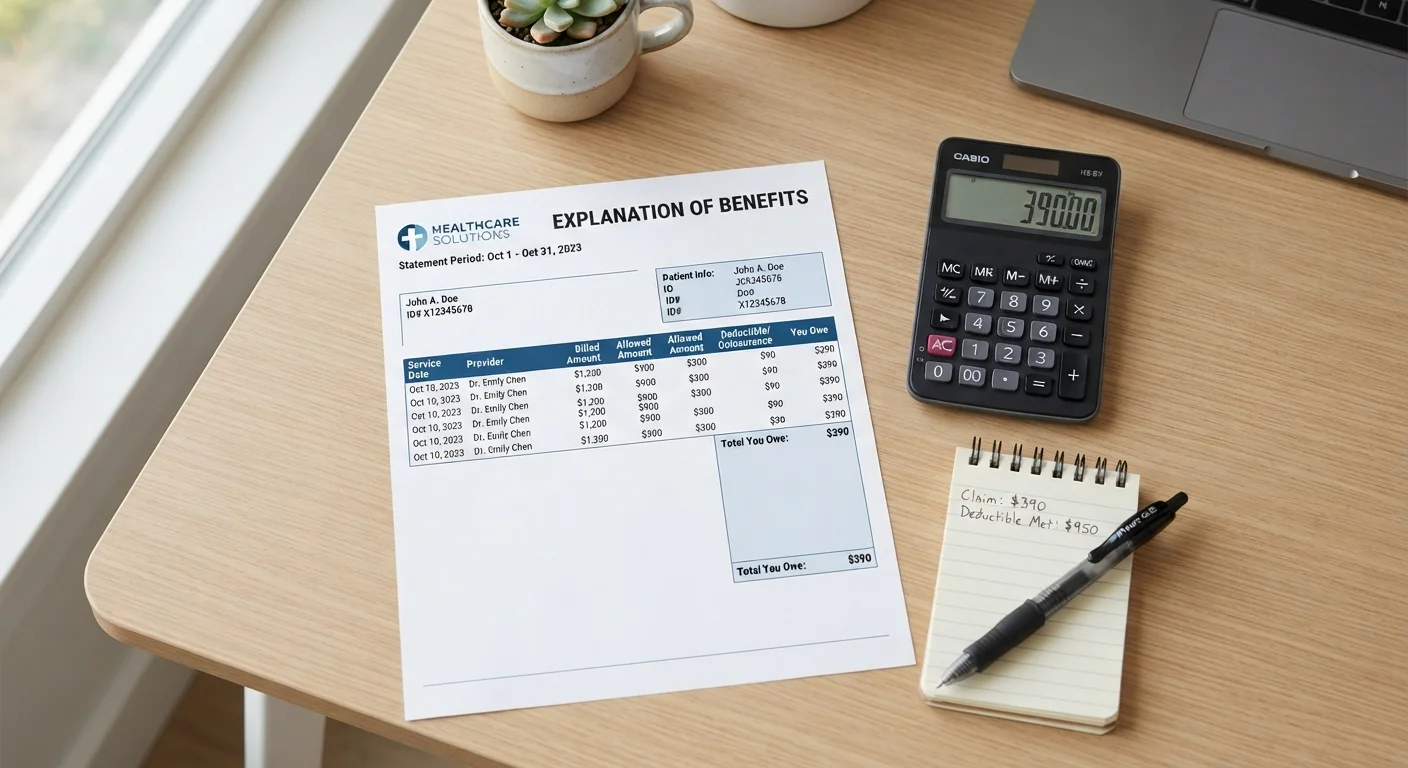
Reading Your Explanation of Benefits: A Field Guide
Medical bills and EOB forms can be confusing. This guide decodes each section so you can spot billing errors and understand what you actually owe.

Understanding Preventive Care Coverage Under the ACA
Learn which preventive services are covered at no cost under the Affordable Care Act and how to use them to reduce your overall healthcare spending.

What to Check Before Open Enrollment Closes
Use this checklist to review your plan's network, costs, and coverage before open enrollment ends so your family avoids gaps in care.