
Annual Home Maintenance Tasks That Prevent Expensive Repairs
A seasonal breakdown of the upkeep tasks that protect your home's major systems and help avoid large, unplanned repair bills.
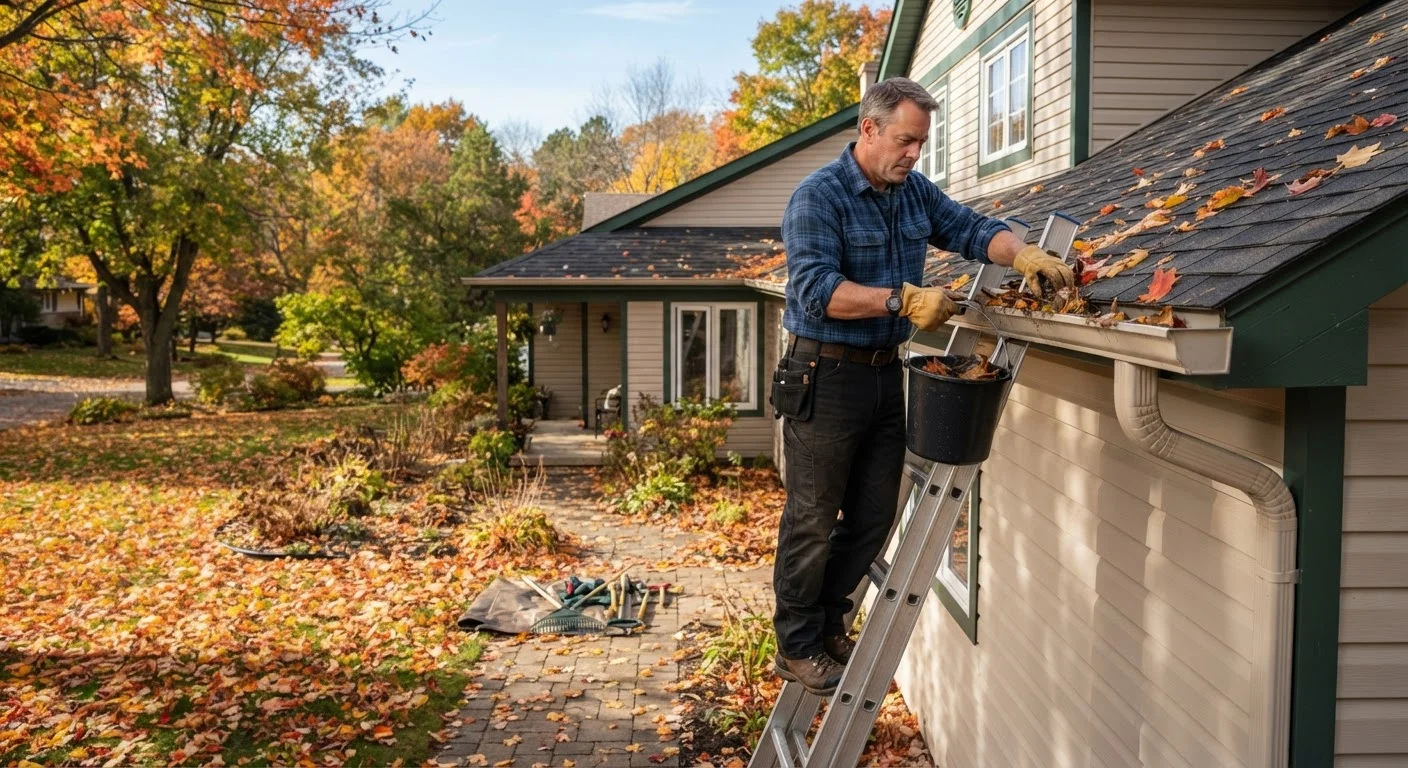
Photo: universalhub.net editorial
—— In This Article
Key Takeaways
- Most expensive home repairs trace back to deferred maintenance that could have cost under $50 to fix early.
- Seasonal checklists distribute the workload across the year and prevent tasks from piling up.
- Several high-impact tasks require no special tools and can be completed in under an hour.
- Knowing which jobs need a licensed professional protects you from code violations and safety hazards.
- Consistent upkeep of HVAC, roofing, plumbing, and drainage systems preserves home value over time.
Why annual maintenance costs less than emergency repairs
A clogged gutter costs a few minutes to clear. Left alone, it can back water under roofing material, rot fascia boards, and push moisture into wall cavities, leading to repairs that routinely run into thousands of dollars. That pattern repeats across nearly every home system: small, inexpensive actions done on schedule prevent large, unplanned bills.
This article organizes the most consequential maintenance tasks by season so you can spread the work across the year. Some tasks are straightforward DIY jobs; others require a licensed contractor. Both are listed honestly. For a broader look at what happens when plumbing problems go unaddressed, see the true cost of ignoring small plumbing leaks.
Spring and summer tasks
After winter, start with the exterior. Walk the full perimeter of your home and look for cracked caulk around windows and doors, damaged siding, and any gaps where pests or water could enter. Recaulking a window frame costs a few dollars in materials and about 20 minutes of time.
Check your roof from the ground or through binoculars. Look for lifted, missing, or curled shingles, and inspect flashing around chimneys and vents. If you see damage, contact a licensed roofing contractor. Roof work at height is dangerous and in many areas requires permits; this is not a DIY task for most homeowners.
Test all ground-fault circuit interrupter (GFCI) outlets, especially those near water sources such as kitchens and bathrooms. Press the test button, confirm power cuts, then reset. This takes under five minutes and is something every homeowner can do safely. If an outlet fails the test, call a licensed electrician.
Flush your water heater by attaching a garden hose to the drain valve and running water until it runs clear. Sediment buildup reduces efficiency and shortens the unit's life. Manufacturers typically recommend doing this once per year.
Fall and winter tasks
Fall is the most consequential season for preventive maintenance. Clean gutters and downspouts after the majority of leaves have fallen. Confirm that downspouts direct water at least three feet from the foundation. Standing water near a foundation is one of the more common causes of basement moisture problems.
Have your heating system serviced by a qualified HVAC technician before the first cold snap. A tune-up catches failing components before they leave your family without heat in January. Change the furnace filter at the same time; a clogged filter forces the blower motor to work harder and can shorten its life.
Inspect weatherstripping on all exterior doors. If you can see daylight around the door frame or feel a draft, replace the stripping. This is a straightforward task that reduces heating costs over the winter months.
Before the first freeze, shut off and drain exterior hose bibs (outdoor faucets). A frozen pipe that bursts inside a wall is one of the more destructive and expensive plumbing failures a homeowner can face. For more on what deferred plumbing maintenance really costs, see the true cost of ignoring small plumbing leaks.
Year-round tasks that protect your investment
Some maintenance does not belong to one season. Test smoke and carbon monoxide detectors monthly, and replace batteries once per year on a fixed schedule. The Consumer Product Safety Commission recommends replacing smoke detectors entirely every ten years.
Check under sinks, around the toilet base, and near the water heater every few months for drips or moisture. Catching a slow leak early avoids water damage to subfloors and cabinets. If you notice mineral deposits or discoloration around a fitting, that residue usually indicates an ongoing seep.
Re-grout tile in wet areas such as shower surrounds and bathroom floors when grout starts to crack or crumble. Damaged grout allows water to reach the substrate behind tile, which can cause structural damage over time. Common grout and tile maintenance mistakes covers the habits that quietly shorten tile life and how to avoid them.
Before starting any significant repair or improvement project, confirm whether a permit is required in your jurisdiction. Unpermitted work can complicate home sales and void insurance coverage. See the home improvement project planning checklist for a practical walkthrough of the pre-project steps worth taking.

Home & Garden Editorial Team
Home & Garden Editorial Team is the collective byline for our editorial team and contributor network. Articles published under this byline or an editorial pen name are researched, written, and reviewed according to our editorial standards for clarity, consistency, and independence before publication.
View author profile