
The True Cost of Ignoring Small Plumbing Leaks
Small drips and slow leaks can add up to real water-bill damage and structural problems. Here is what happens when they go unfixed.
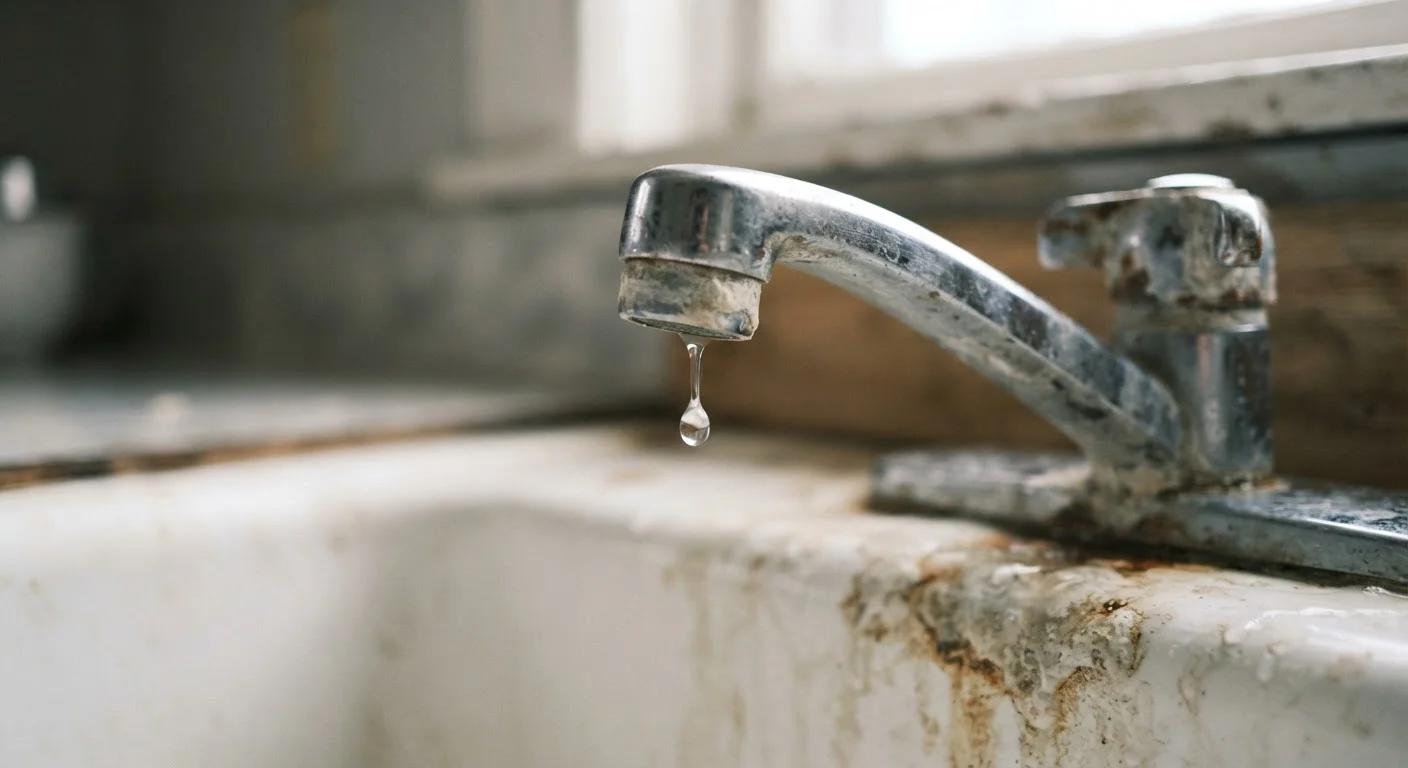
Photo: universalhub.net editorial
—— In This Article
Key Takeaways
- A single dripping faucet can waste thousands of gallons of water annually.
- Ignored leaks cause wood rot, mold, and structural damage that cost far more to repair than the original leak.
- Water bills are often the first measurable signal that a hidden leak exists.
- Most small leaks can be identified with basic observation before they escalate.
- Catching a leak early typically means a repair that costs tens of dollars rather than thousands.
Why small leaks do not stay small
Water follows the path of least resistance, and a tiny breach in a pipe joint or worn washer gives it a consistent path to travel. Over time, that path widens. A compression faucet leaking from a degraded washer drips faster as the rubber continues to wear. A pinhole in copper pipe oxidizes at the edges, enlarging the opening. What starts as an inconvenience becomes a structural problem.
The secondary damage is often worse than the water loss itself. Persistent moisture softens wood framing, weakens drywall, and lifts flooring adhesive. In a bathroom vanity cabinet or under a kitchen sink, a slow drip can go unnoticed for months while the cabinet floor and the subfloor beneath it rot quietly. By the time discoloration or odor signals a problem, the repair scope has grown well beyond a simple washer swap.
See the seasonal maintenance checklist for a structured way to inspect plumbing connections before damage accumulates.
The water bill as a warning sign
For many households, the water bill is the first concrete evidence that something is wrong. A bill that rises without a change in household habits deserves a closer look. The meter test is simple: turn off every fixture and appliance that uses water, then watch the meter dial for 15 minutes. Movement during that window means water is leaving the system somewhere.
3,000 gal
Water wasted per year by one dripping faucet
The U.S. Environmental Protection Agency estimates a faucet dripping once per second loses approximately 3,000 gallons annually.
10%
Homes with leaks wasting 90+ gallons per day
The EPA's WaterSense program estimates that 10 percent of U.S. homes have leaks that collectively waste 90 gallons or more each day.
200+ gal
Daily water loss from a running toilet
According to the EPA, a toilet with a faulty flapper can waste more than 200 gallons of water per day.
Toilets are one of the most common culprits. A flapper that does not seat properly allows water to trickle from the tank into the bowl continuously. Adding a few drops of food coloring to the toilet tank and checking the bowl after 10 minutes without flushing will confirm whether the flapper is leaking. If color appears in the bowl, the flapper needs replacing.
A meter test alone will not locate the leak, but it confirms whether investigation is warranted. Once confirmed, systematically checking under-sink cabinets, supply line connections, and visible pipe runs narrows the source.
Structural and health costs that follow water damage
Mold is the most serious secondary consequence of an unaddressed leak. The EPA notes that mold can begin growing on wet building materials within 24 to 48 hours under the right temperature conditions. Inside enclosed spaces like cabinets and wall cavities, those conditions are easy to meet. Mold remediation in a finished wall cavity or subfloor is a professional job that carries costs well into the hundreds or thousands of dollars, depending on the affected area.
Wood rot compromises more than aesthetics. Rotted subfloor under a toilet base or bathtub creates a safety hazard and, if the rot reaches the floor joists below, requires structural repair. Tile installed over a compromised substrate will crack and fail, adding the cost of retiling to an already expensive project. The grout and tile maintenance guide covers how moisture intrusion at tile seams compounds these problems.
Paint and drywall absorb moisture readily. A seeping pipe inside a wall will eventually cause bubbling or staining on the surface finish, and the drywall behind it will need to be cut out and replaced before repainting. That project is more involved than most homeowners expect. For context on how finishing costs scale, this breakdown of DIY painting costs shows where material and labor expenses accumulate.
Fixing leaks before they escalate: where to start
Most faucet drips stem from a worn washer, O-ring, or cartridge. These components cost a few dollars at a hardware store and can be replaced with basic tools in under an hour for the majority of standard faucet types. Shutting off the supply valves under the sink or at the fixture stop is the first step, and confirming the water is off before disassembling anything prevents a minor repair from becoming a flood.
Under-sink supply lines with braided stainless covers are more durable than older polymer lines, but they still wear at the connection points. A hand-tightened connection that has started to seep can sometimes be resolved with a quarter-turn with a wrench. If the fitting itself is corroded or cracked, replacing the entire line is the correct fix, and the part is inexpensive.
For any leak that originates inside a wall, under a concrete slab, or at the main water line, contact a licensed plumber. Many municipalities require permits for work on supply lines within walls, and improper repairs can void homeowner's insurance coverage for subsequent water damage. Verify permit requirements with your local building department before beginning.
Frequently Asked Questions

Home & Garden Editorial Team
Home & Garden Editorial Team is the collective byline for our editorial team and contributor network. Articles published under this byline or an editorial pen name are researched, written, and reviewed according to our editorial standards for clarity, consistency, and independence before publication.
View author profile