
What Homeowners Get Wrong About Grout and Tile Maintenance
Discover the habits that quietly shorten the life of tile and grout, and the simple routines that keep them looking clean for years.
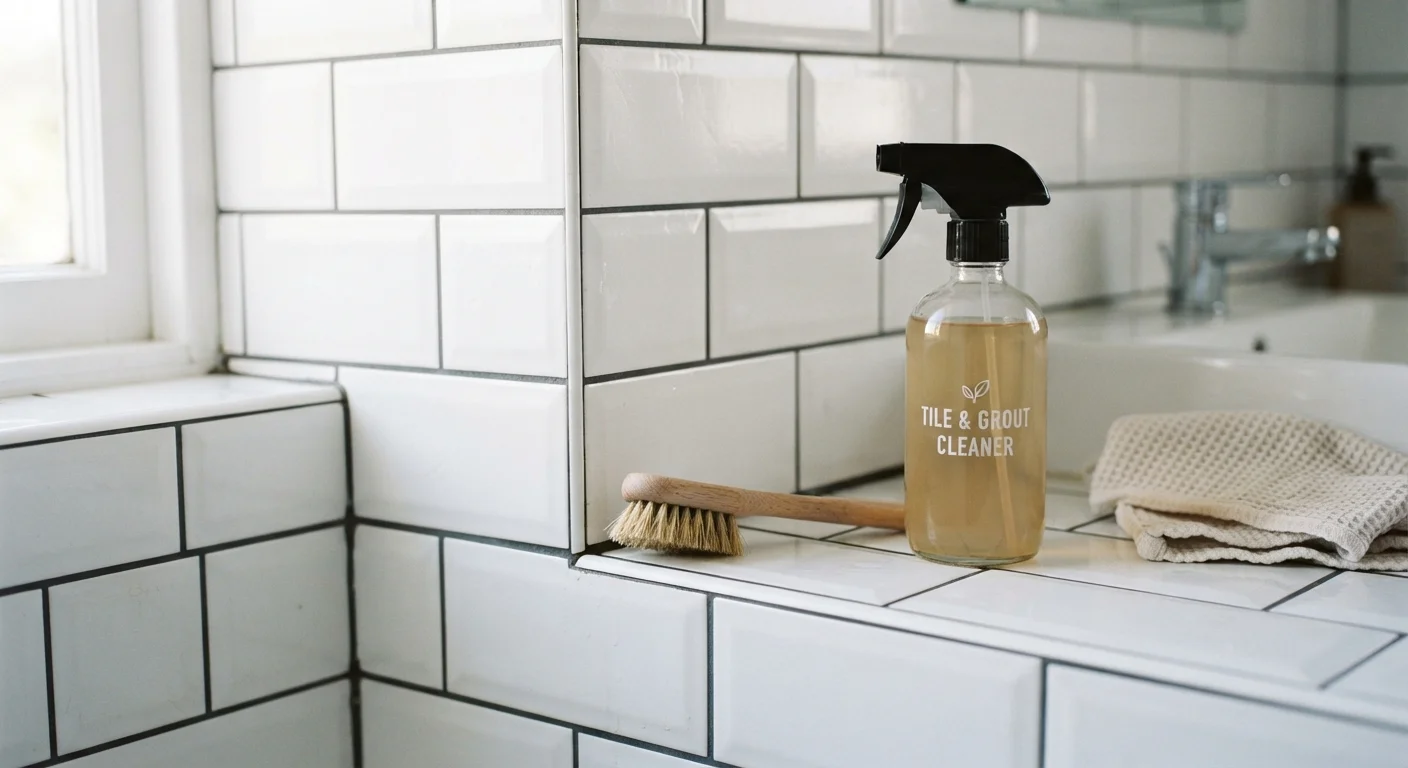
Photo: universalhub.net editorial
—— In This Article
Key Takeaways
- Using the wrong cleaner is one of the most common causes of grout deterioration in tile surfaces.
- Unsealed grout absorbs moisture and stains far faster than most homeowners expect.
- Aggressive scrubbing with hard tools damages grout over time, even when it looks fine.
- Small cracks in grout allow water to reach the substrate, leading to costly repairs.
- Most grout maintenance tasks take under an hour and require no specialized tools.
Why grout fails sooner than it should
Tile itself is durable. Grout is not. It is a porous, cement-based material in most homes, and it sits in the exact spots that collect water, soap, cleaning products, and foot traffic. Most grout problems that homeowners blame on age are actually the result of repeated small missteps in cleaning and maintenance.
The good news is that fixing those habits costs almost nothing. The mistakes below cover the most common errors, along with the reasons they happen and straightforward ways to avoid them.
Using acidic or bleach-based cleaners on grout regularly.
Why it happens: These products are widely marketed for bathrooms, and they do remove stains visibly. The short-term result looks good, so homeowners repeat the habit.
Skipping grout sealer after installation or after deep cleaning.
Why it happens: Sealing is not always mentioned at the point of installation, and many homeowners assume grout is ready to use as-is once it cures.
Scrubbing grout with stiff metal brushes or abrasive pads.
Why it happens: Tough stains prompt a tougher response, and metal or very coarse tools feel effective because they remove discoloration quickly.
Leaving standing water or wet grout surfaces for long periods.
Why it happens: In showers and around sinks, moisture is constant, and many homeowners do not realize that water sitting on grout speeds up staining and weakens the sealer layer.
Ignoring hairline cracks or small areas of missing grout.
Why it happens: Minor grout damage looks cosmetic, so it gets deferred. Homeowners often plan to fix it "eventually" while the underlying problem grows.
Using the same cleaning method on epoxy grout as on cement grout.
Why it happens: Most cleaning advice does not distinguish between grout types, and the visual difference is subtle once grout is in place.
Building a simple grout care routine
Most of the damage described above accumulates gradually. A consistent weekly wipe-down with a pH-neutral cleaner, combined with annual sealing and prompt attention to any cracking, handles the bulk of grout maintenance for the average home.
For high-use wet areas like showers, adding a squeegee after each use is one of the highest-return habits available. It takes about 30 seconds and extends both sealer life and the interval between deep cleans.
Water behind tile causes structural damage
Cracked or missing grout is not just a cosmetic issue. Water that seeps through gaps can reach the substrate beneath tile, causing the adhesive layer to fail and, in wet areas like showers, potentially damaging walls or subfloors. Address any grout gaps promptly rather than waiting for a full bathroom refresh.
Grout maintenance fits naturally into the broader seasonal upkeep that prevents large repair bills. See the full annual maintenance checklist for a room-by-room schedule that includes tile areas alongside plumbing, HVAC, and exterior checks. And if your tile borders a shower pan or sink caulk line, keep in mind that small water intrusions compound: the cost of ignoring small leaks applies just as much to grout gaps as to dripping pipes.
1-2 years
Recommended grout sealer reapplication interval
Most grout sealer manufacturers recommend reapplication every one to two years in wet areas, depending on traffic and cleaner use.
48-72 hrs
Cure time before sealing new grout
Cement-based grout typically needs 48 to 72 hours to fully cure before a penetrating sealer can bond effectively to the surface.
$10-$20
Typical cost of a grout sealer bottle
A single bottle of penetrating grout sealer covers most average bathroom tile areas and represents a fraction of the cost of regrout or retile work.

Home & Garden Editorial Team
Home & Garden Editorial Team is the collective byline for our editorial team and contributor network. Articles published under this byline or an editorial pen name are researched, written, and reviewed according to our editorial standards for clarity, consistency, and independence before publication.
View author profile